

Blood pressure in winter often runs higher than in summer, and many people only find out when a routine reading comes back high. The good news is that the causes are well understood and most of the fixes are simple daily habits. This guide explains why it happens, who needs to be extra careful, and what you can do about it.
Why Blood Pressure Can Rise in Winter
Ahmedabad winters are milder than in northern India, but early mornings, late nights and a change in routine can still affect some people. Here is what is usually going on:
- Cold narrows blood vessels. When the body tries to stay warm, vessels tighten and the heart has to push against more resistance, which can raise BP.
- Less physical activity. Cold mornings make people skip walks, and weight and BP creep up.
- Heavier, saltier food. Winter menus lean towards oily, fried and salted items, and extra salt pushes BP up.
- Changed routine. Disturbed sleep, less water intake and missed medicine timings all play a part.
Who Should Be Extra Careful
- People already diagnosed with high blood pressure
- People with diabetes, kidney disease or heart disease
- Anyone above 40, or with a family history of hypertension
- People who are overweight or have a mostly sitting job
Many people have no symptoms at all, which is why high BP is called a silent problem. You can read more in our earlier post on understanding high blood pressure.
What Do Blood Pressure Readings Mean?
| Reading (mm Hg) | What it generally means |
|---|---|
| Below 120/80 | Ideal range |
| 120-139 / 80-89 | Above ideal. Focus on lifestyle and ask your doctor how often to check |
| 140/90 or higher on repeated readings | High blood pressure. Needs a medical evaluation |
| 180/120 or higher, especially with symptoms | Emergency. Seek urgent medical care |
Targets can differ from person to person, especially if you have diabetes or kidney disease, so ask your doctor what your own target should be.
Gujarati Winter Foods: What to Watch
Winter brings some of our favourite food. You do not have to give it up. Just pay attention to salt, oil and portion size:
| Food | What to watch | Smarter way |
|---|---|---|
| Undhiyu | Oil and salt add up in a big serving | Smaller portion, less oil, taste before adding extra salt |
| Ponk / hurda with sev and chutney | Sev and chutneys are salty | Go easy on sev and chutney |
| Papad, pickle (achar), salted khakhra | Hidden salt | Keep them occasional and small |
| Namkeen, gathiya, packaged snacks | High salt, fried | Roasted chana or makhana, a small bowl |
| Chikki, gajar halwa | Sugar and ghee; weight gain raises BP over time | Small piece after a meal, not daily |
5 Simple Rules for BP Control This Winter
Normal readings usually mean the medicine is working, not that it is no longer needed. Talk to your doctor before changing anything.
The WHO advises keeping salt intake below 5 grams a day, about one level teaspoon, counting everything in pickles, papad, namkeen and packaged food.
Dress warmly, start slowly, and avoid sudden heavy exertion in the cold early morning, especially if you have a heart condition. A late-morning or evening walk is a good option.
- Sit quietly for 5 minutes with your back supported and feet flat
- Rest your arm at heart level; no tea, coffee or smoking for 30 minutes before
- Take two readings, one minute apart, at the same time each day
- Write the numbers down and show them to your doctor
Poor sleep and low fluid intake in winter can both work against BP control. Aim for a regular sleep schedule and keep sipping water through the day, unless your doctor has advised a fluid limit.
Not Sure About Your BP Numbers?
A quick check and a personal plan can make winter much safer. Book a consultation with Dr. Bharat Maheshwari.
Blood Pressure and Diabetes Together
High blood pressure and diabetes often occur together, and having both raises the strain on the heart, kidneys and eyes. That is why we look at both in the same visit. If you have diabetes, our guides on controlling diabetes naturally and festive eating for diabetics are worth a read.
When to Get Medical Help
Go to a doctor or emergency room straight away if you have:
- Chest pain or pressure, or sudden breathlessness
- A very severe headache, confusion or trouble speaking
- Weakness or numbness on one side of the body, or sudden vision changes
- A reading of 180/120 or higher, particularly with any of the above
Also book a visit if your readings stay above your target for several days, or if you feel dizzy, unusually tired or get frequent headaches. Do not adjust medicine doses yourself. You can read about Dr. Bharat’s background or see our hypertension and general medicine services.
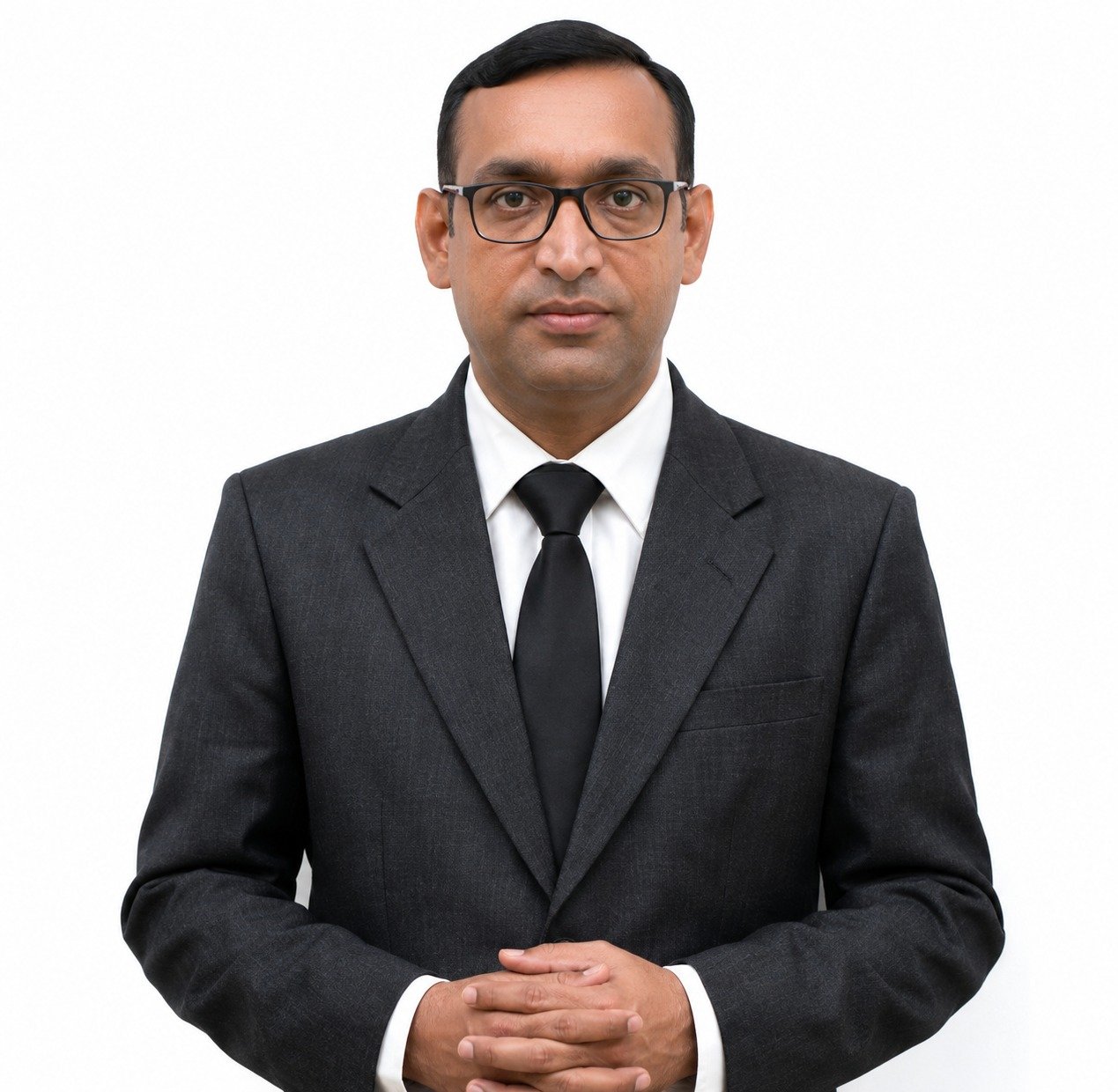
Dr. Bharat H. Maheshwari
General Physician, Cardio-Diabetic Physician, Metabolic Physician & Critical Care Specialist
CCEBDM · ADCP · ERS Certification · Certified Expert in Obesity Management · 20+ years in Maninagar, Ahmedabad
Frequently Asked Questions
Keep Your BP in Check This Winter
Consult Dr. Bharat H. Maheshwari at Laksha Medical Centre, Maninagar, Ahmedabad.